
By Shamim Saad
The Uganda Investment Authority (UIA) has embarked on a nationwide profiling exercise targeting Small and Medium Enterprises (SMEs) in a strategic move to integrate them into the supply chains of large manufacturers operating within Uganda’s industrial parks and companies licensed under the Uganda Free Zones and Export Promotions Authority.
The initiative is designed to strengthen domestic value chains, promote import substitution, and enhance the competitiveness of locally owned enterprises by positioning them as reliable suppliers of goods and services to anchor investors.
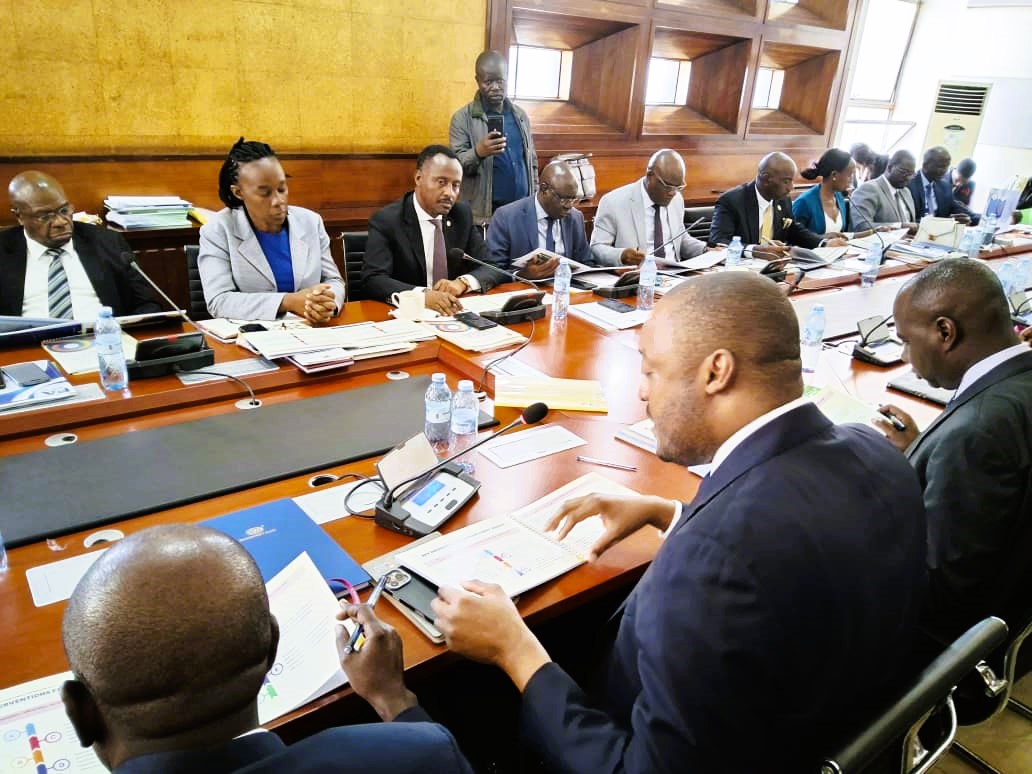
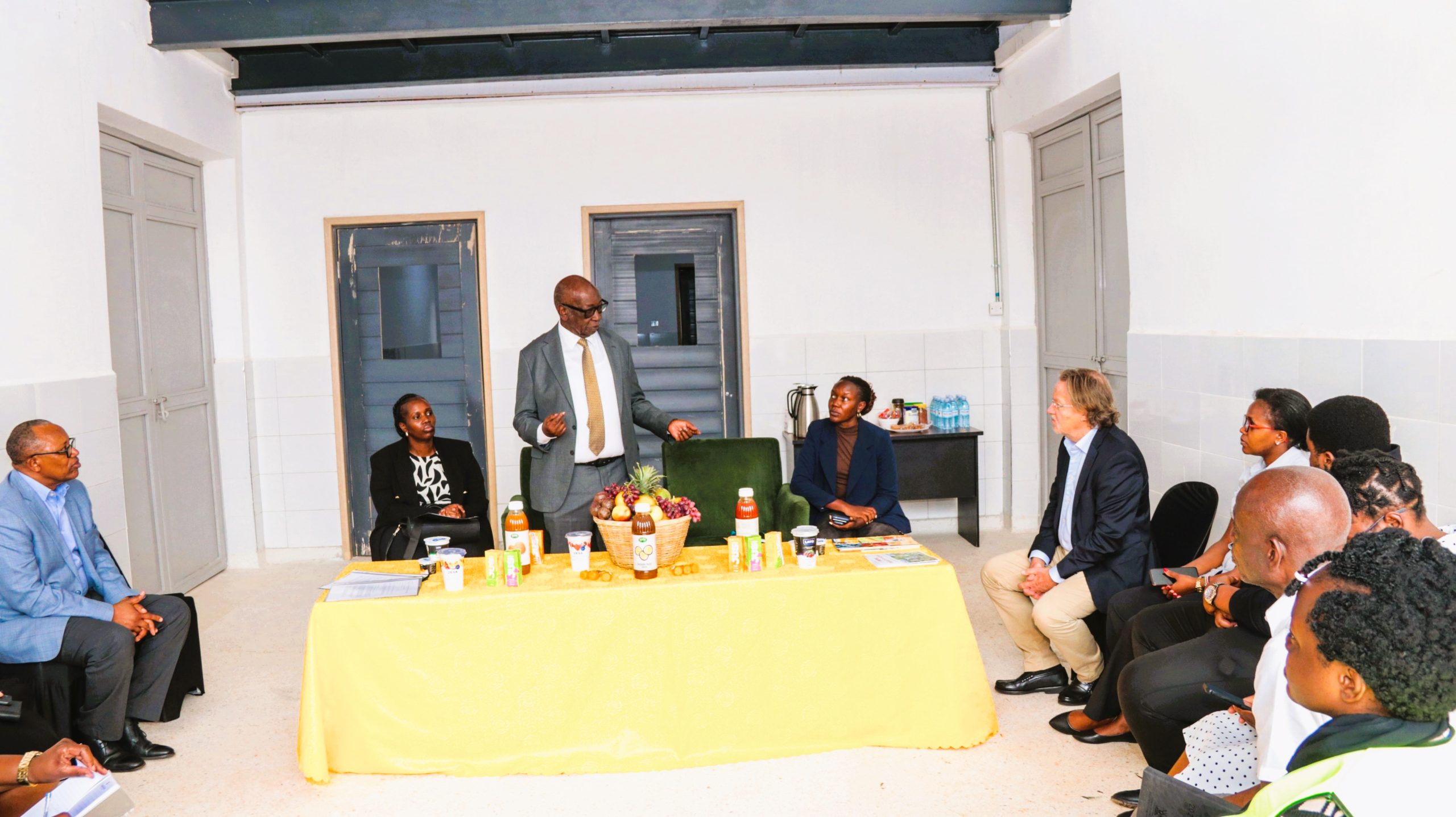
Speaking during a recent meeting at the UIA offices in Kampala, Eria Kaweireku, Deputy Director of the Domestic Investment Division, said the profiling exercise will identify capable SMEs with the potential to meet the quality, quantity, and compliance standards required by large-scale manufacturers.
“Our objective is deliberate linkage,” Kaweireku emphasized. “By connecting local enterprises to established manufacturers within industrial parks and free zones, we are supporting SMEs’ growth while deepening local content participation in Uganda’s industrialization agenda.”
Through the program, UIA will assess SMEs’ production capacity, technical readiness, certification status, and scalability potential. Where gaps are identified, the Authority will facilitate targeted capacity-building interventions to ensure enterprises are adequately prepared to participate in structured supply chains.
The initiative aligns with Uganda’s broader industrial development strategy, which prioritizes value addition, job creation, and export competitiveness. By fostering stronger linkages between domestic enterprises and large manufacturers, UIA aims to cultivate a more inclusive and resilient industrial ecosystem.
He further noted that UIA is adopting a cluster-based approach focusing on four priority sectors: Agro-processing, Wood and Furniture, Textiles and Garments, and Pharmaceuticals.
“SMEs within these sectors will be linked to market off-takers through subcontracting arrangements and structured supplier development programs,” he alluded.
Currently in its pilot phase, the project is mapping women in processing and formally registered SMEs that meet defined criteria, including a minimum annual revenue of USD 30,000 and at least five employees.
The President of the African Women in Processing (AWIP) Uganda Chapter, Elizabeth Kasenene, underscored the need to dismantle structural barriers that have historically limited women entrepreneurs from fully participating in industrial development.
She reaffirmed that the AWIP Industrial Park model offers a transformative solution by providing subsidized, certified factory spaces, shared processing facilities, tailored financial instruments, and structured production clusters linked to guaranteed offtake agreements.
Describing the government’s endorsement as a landmark breakthrough, Kasenene noted that it signals a defining shift toward placing women at the center of production, innovation, and industrial transformation, reinforcing Uganda’s commitment to inclusive industrialization.
The AWIP Uganda model is expected to drive large-scale job creation, accelerate value addition, strengthen domestic supply chains, and position women-owned enterprises as competitive players within the African Continental Free Trade Area marketplace.
Echoing this optimism, African Union Tech Expert Peter Kuria commended the Government of Uganda for its leadership. It reaffirmed the continued support of the African Union Commission, Regional Economic Communities, development partners, and the private sector in ensuring the full operationalization of AWIP Industrial Parks across the country.
ENDS