By David Rupiny
Quality Chemical Industries Limited (QCIL) is a leading Ugandan pharmaceutical manufacturer established to produce affordable, high-quality essential medicines locally for Africa.
QCIL is located in Uganda Investment Authority’s Luzira Industrial Park.
History

According to co-founder and chairman, Emmanuel Katongole, they first started as local manufacturer of veterinary medicines and based in the artisanal district of Katwe in Kampala.
In a tweet on X, Katongole said:
“After university, I worked for the Sembule Group of Companies for a few years. But I had always wanted to create something of my own.
In 1997, together with five colleagues Francis Xavier Kitaka, Frederick Mutebi Kitaka, George Baguma, Edward Martin, and Randall Tierney, we founded Quality Chemicals Limited in Katwe.
Katwe was considered the heart of small workshops and scrap metal. People mocked us, saying university graduates were working in a place known for making coffins and padlocks. But we believed that quality could come from anywhere.
We began with veterinary drugs and later added a human health division. We even introduced Uganda’s first insecticide-treated mosquito nets”.
Pivot to human medicines

In June 2025, QCIL pivoted to the manufacturing of human medicines. The Uganda Investment Authority offered it land in Luzira Industrial Park where it set up its sprawling modern pharmaceutical plant.
It is now undergoing expansion, including second facility approved in 2024. It has since attracted strategic partnership and historical investment Cipla, the giant Indian pharma.
Global compliance
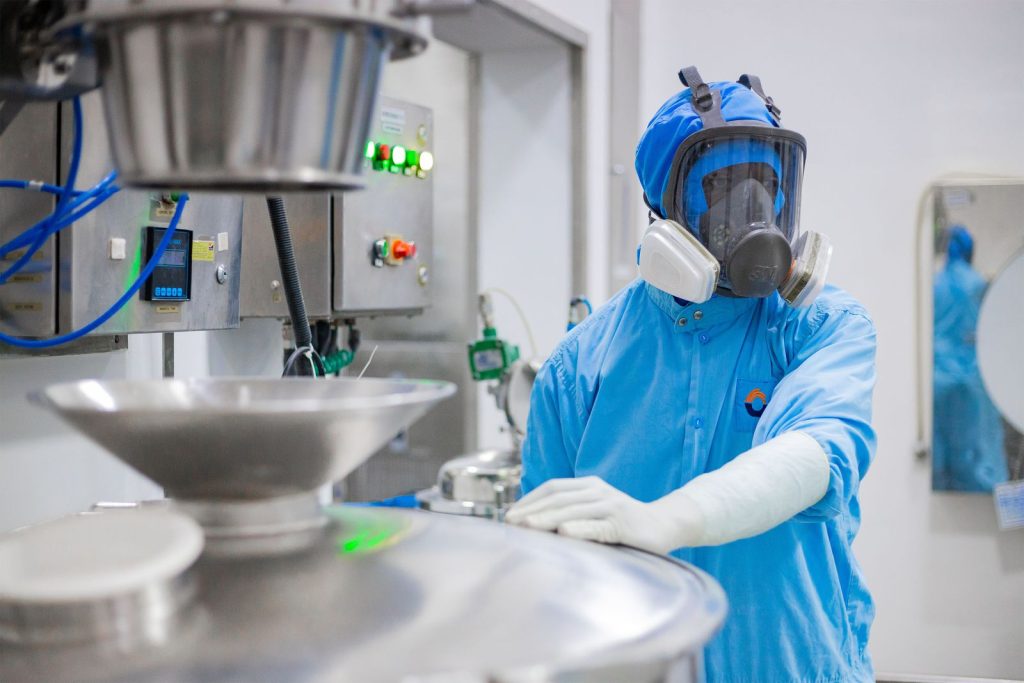
The project focuses on manufacturing World Health Organisation-compliant medicines, particularly for high-burden diseases such as HIV/AIDS, malaria, tuberculosis, and other priority therapeutic areas, reducing dependence on imports and strengthening regional health security.
QCIL operates one of the few WHO-prequalified pharmaceutical manufacturing facilities in Sub-Saharan Africa and supplies medicines to 14 African countries with registrations in over 31 markets.
Investment value
The company has invested over USD 60 million in pharmaceutical infrastructure and is undertaking a USD 51 million expansion to construct a second manufacturing facility that will increase capacity by approximately one billion tablets annually and introduce injectable production.
Capital development
Beyond manufacturing, QCIL invests heavily in human capital through pharmacist training programmes, graduate traineeships, internships, and continuous workforce development.
The project contributes significantly to Uganda’s industrialisation, export earnings, technology transfer, and healthcare resilience while aligning with national priorities for local manufacturing and import substitution.
Through innovation, sustainability initiatives, and partnerships with governments and global health institutions, QCIL continues to strengthen Africa’s pharmaceutical self-sufficiency and improve access to life-saving medicines.
Investment Impact
QCIL has invested over USD 60 million in WHO-compliant pharmaceutical infrastructure, with an additional USD 51 million committed for a second manufacturing facility expansion.
These investments have significantly strengthened Uganda’s pharmaceutical manufacturing base, reduced reliance on imported medicines, and enhanced regional supply security.
The project contributes to economic growth through export earnings, tax contributions (including significant annual taxes paid), and by positioning Uganda as a regional hub for pharmaceutical production. It supports industry diversification by expanding into new therapeutic areas such as tuberculosis treatment, injectables, and chronic disease medicines, thereby deepening the country’s industrial capabilities.
Job creation and skills development
QCIL employs approximately 600 staff, including about 354 permanent employees and over 200 contract workers, with plans to create more than 500 additional skilled jobs through the new facility expansion.
The company invests in high-quality employment through structured training programmes, including pharmacist development, graduate trainee programmes, internships, and continuous professional training.
Thousands of training hours are delivered annually, strengthening technical, regulatory, and manufacturing skills. These initiatives support long-term workforce development and build a pipeline of specialised pharmaceutical expertise in Uganda.
Economic and community impact
QCIL generates broad economic benefits through local procurement, export revenues, and contributions to national taxes. It strengthens healthcare resilience by ensuring reliable access to essential medicines, improving treatment continuity across the region.
Community initiatives include medical camps, medicine donations, public health awareness campaigns, and support to underserved communities. By reducing medicine costs through local production, the project improves affordability and health outcomes while supporting broader social stability.
Innovation and technology transfer
The project introduces advanced pharmaceutical manufacturing technologies compliant with WHO Good Manufacturing Practices, including modern quality control laboratories and digital enterprise systems such as SAP S/4 HANA.
Technology transfer from global partners has enabled local capability development in pharmaceutical formulation, quality assurance, and regulatory compliance.
Continuous investments in research and development (R&D), laboratory upgrades, and manufacturing expansion support innovation and strengthen local industrial capacity.
Use of Artificial Intelligence (AI)
While QCIL’s primary focus is pharmaceutical manufacturing, the company is advancing digital transformation through enterprise systems, data-driven decision-making, and automation across operations, supply chain, and quality management.
These systems improve operational efficiency, forecasting, and risk management and lay the foundation for future adoption of advanced analytics and AI-enabled manufacturing processes.
Alignment with national or local economic strategies
The project aligns strongly with Uganda’s industrialisation agenda, import substitution strategy, and health sector priorities.
It supports national goals of developing local manufacturing capacity, improving access to essential medicines, promoting exports, and building technical skills.
QCIL also contributes to regional integration under the African Continental Free Trade Area by supplying medicines across multiple African markets, supporting regional value chains and economic resilience.
Engagement with local supply chains
QCIL actively engages local suppliers, service providers, and logistics partners, strengthening domestic supply chains and supporting SMEs.
Investments in warehousing, procurement systems, and supplier development improve reliability and resilience while promoting local participation in the pharmaceutical value chain.
Sustainability and long-term impact
The company integrates sustainability through energy efficiency initiatives, carbon reduction targets, water conservation, and waste reduction programmes.
QCIL aims for carbon neutrality and zero waste-to-landfill, demonstrating strong environmental stewardship.
Long-term impact includes improved health outcomes, strengthened pharmaceutical self-reliance, skilled workforce development, and sustainable economic growth.
Scalability and replication potential
QCIL’s model of local pharmaceutical manufacturing with global quality standards is highly scalable and replicable across Africa.
The expansion into new therapeutic areas and markets demonstrates adaptability, while partnerships with governments and global health agencies provide a framework that can be replicated in other regions seeking to strengthen medicine security.
Uniqueness and strategic execution
QCIL stands out as one of the few WHO-prequalified pharmaceutical manufacturers in Sub-Saharan Africa, combining local ownership, global partnerships, and strong policy support.
The project’s success reflects effective collaboration with government, development partners, and investors, supported by investment incentives and regulatory facilitation.
Its ability to maintain high quality standards while delivering affordable medicines and building regional supply resilience distinguishes it as a strategic investment of continental importance.
A Ugandan industrial success story
Quality Chemical Industries Limited represents a landmark investment in Africa’s pharmaceutical manufacturing landscape. By producing high-quality, affordable medicines locally, QCIL has transformed access to treatment for millions of patients across the region while strengthening Uganda’s industrial base.
The company’s commitment to workforce development, technology transfer, and sustainability demonstrates a long-term vision that goes beyond commercial success to deliver meaningful social impact.
Through partnerships with governments, global health institutions, and communities, QCIL continues to play a vital role in advancing healthcare resilience and economic development.
Its ongoing expansion and innovation reinforce its position as a strategic asset for regional medicine security and a model for local manufacturing excellence.
***
Link: https://www.qcil.com/