By David Rupiny
The Nonda Coffee Park is a massive $200–$248 million agro-industrial value addition project located in Butalangu Town Council, Nakaseke District, central Uganda.
Led by Nonda Commodities Limited alongside international partners, it is designed to process raw coffee into ready-to-consume branded exports.
Project Overview and Timeline
- Location: 100-acre site in Butalangu Town Council, Nakaseke District.
- Investment Cost: Estimated between $200 million and $248 million.
- Groundbreaking: Official ceremony planned for October 2026.
- Completion Target: Expected within 24 months of construction.
Processing Capacity and Goals
- Capacity: Designed to process 42,000 metric tons of coffee annually, targeting status as the largest single processing facility in East and Central Africa.
- Partnership: Part of the Great Uganda-Saudi Coffee Corridor, linked with Saudi Arabia’s Ingazi Group International and existing Ugandan-branded coffee shops in the Middle East.
- Government Backing: President Yoweri Museveni formally pledged state support in July 2026 to help mobilize local farming households for increased production.
President Yoweri Kaguta Museveni has pledged government support to the establishment of the Nonda Coffee Park in Nakaseke District, a landmark agro-industrial project expected to transform Uganda’s coffee sector through large-scale value addition, job creation, and expanded export markets.
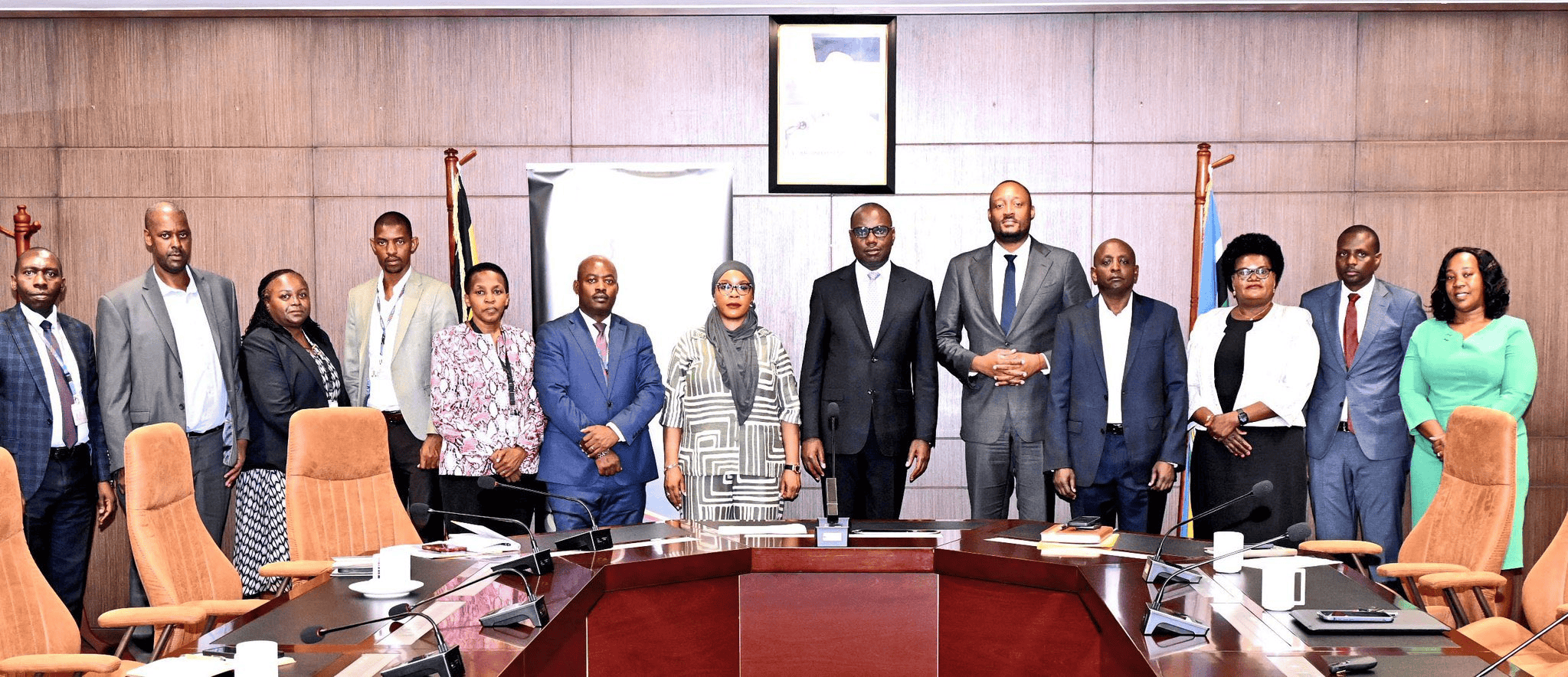
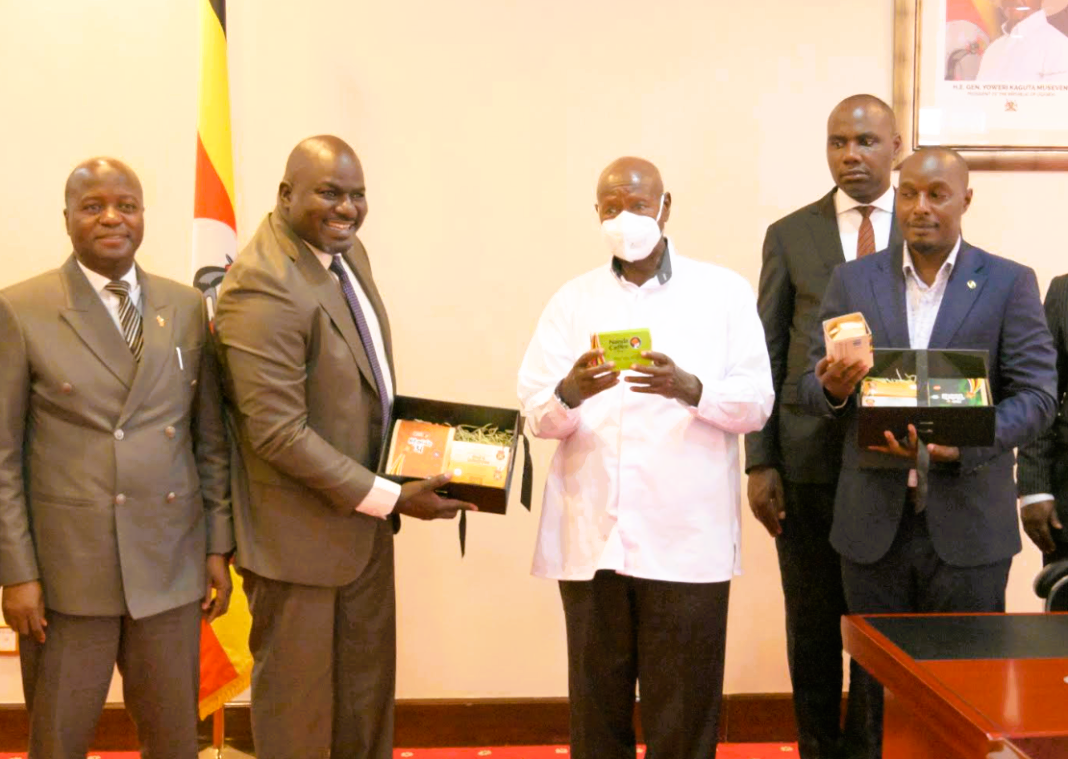
The commitment followed a meeting at State House, Entebbe with a delegation from Nonda Coffee Park led by its Chief Executive Officer, Tonny Miiro Kibuuka, who briefed the President on the progress of the project and sought additional government support ahead of its groundbreaking ceremony scheduled for October this year.
The proposed coffee park is projected to become the largest single coffee processing facility in East and Central Africa.
Once completed, the plant will have the capacity to process 42,000 metric tons of coffee annually, drawing raw coffee from Uganda’s central region and other coffee-growing areas.
According to Miiro, the project is part of the Great Uganda-Saudi Coffee Corridor under the Value-at-Source Coffee Project, Uganda’s flagship private-sector-led industrialization initiative aimed at ensuring that a greater share of the coffee value chain remains within the country before exports.
He explained that unlike the traditional model where Uganda exports largely unprocessed coffee beans, the Value-at-Source initiative seeks to process coffee domestically, allowing the country to earn significantly more from its leading export commodity.
The Government of Uganda is expected to contribute USD44 million, while the remaining financing will come from private investors from the Kingdom of Saudi Arabia.
***