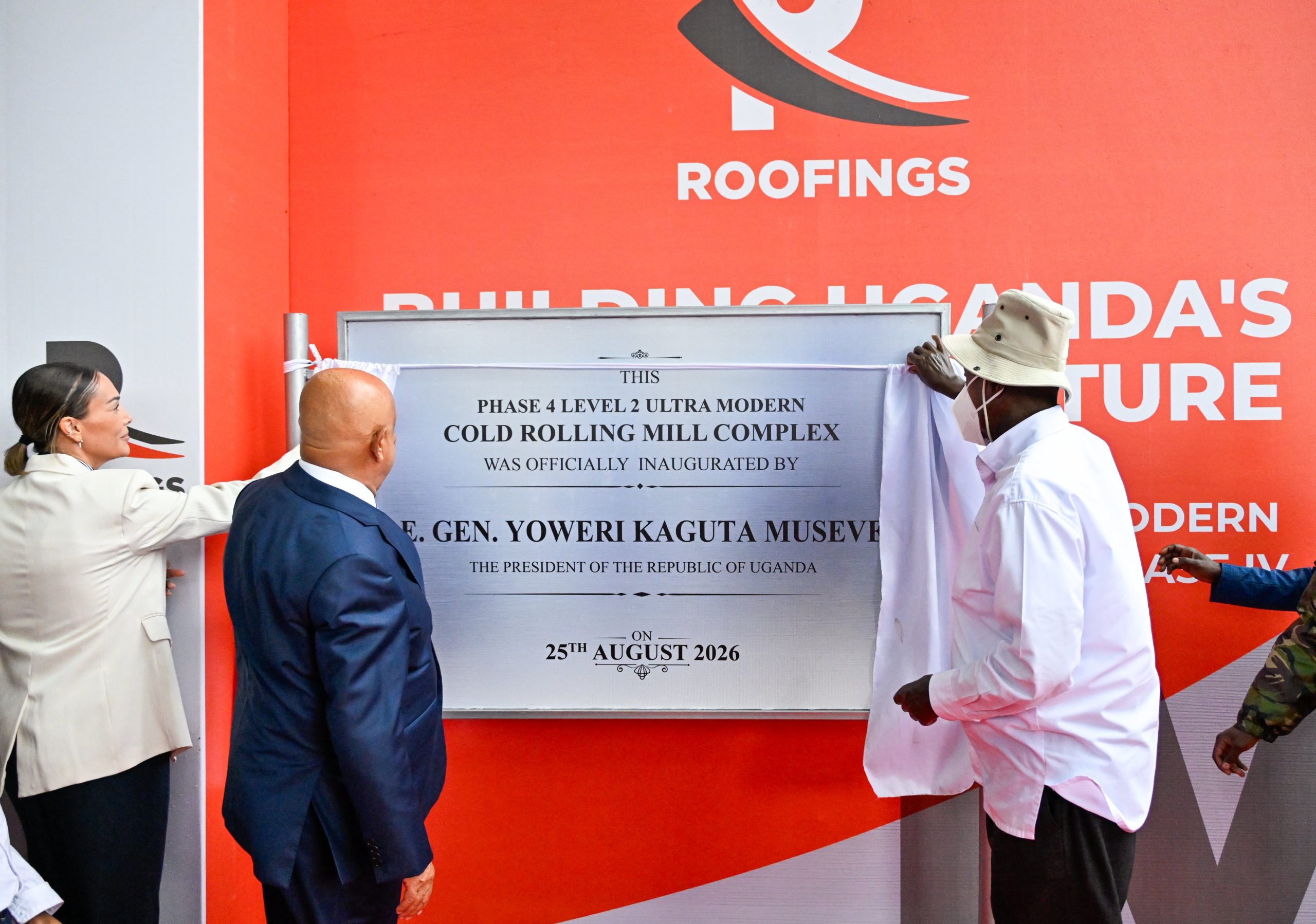

In a landmark move, the Ugandan President Yoweri Museveni and his Kenyan counterpart, William Ruto, on 23 November broke ground for the construction of a 500-million-dollar mega steel plant in Tororo in eastern Uganda, close to the Kenyan border.
The Devki Steel Mill is the brainchild of Dr Narendra Raval, a prolific investor in Kenya who runs 19 steel and cement factories across rural Kenya.
Devki Steel Mills Ltd. is a leading producer of a comprehensive range of premium steel products used in construction and other sectors.
At full capacity in two years (end of 2027), the world-class plant, which will use blast furnace technology, is expected to produce one million tonnes of steel products annually, adequate for the East African market.
The steel plant will employ 15,000 people directly across its value chain – iron ore mining, transportation, steel manufacture, marketing, and logistics, among others. The job numbers are expected to swell to 20,000 at full capacity.

According to Dr Raval, his choice to invest in Uganda was informed by the massive iron ore deposits in place, favourable tax and non-tax incentives, political stability, infrastructure, and other investor-friendly terms, among others.
Uganda has confirmed 500 million tonnes of iron ore deposits in eastern and southwestern Uganda.
Raval said in the next two years, Uganda will start exporting steel products worth two trillion shillings annually. Uganda’s steel import bill currently stands at 500 million dollars annually.
Said Dr Raval: “Uganda will become a net exporter of steel, and this will mark a historic moment in East Africa’s growth and a milestone in self-reliance. This plant will help reduce the region’s trade deficit by making steel available here”.
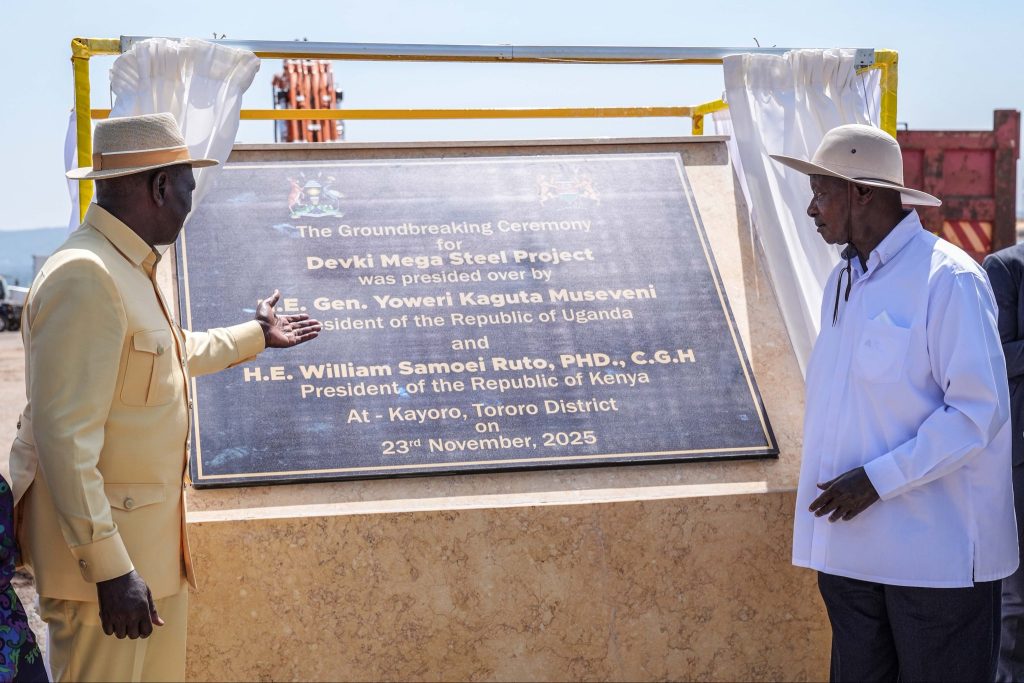
President Museveni (rightt) and President Ruto (left)
President Museveni said, “The Devki steel project marks a major step in our journey to liberate Africa from centuries of exploitation. For over 500 years, we have been losing value through slavery, colonialism, and the export of raw materials. With this integrated steel operation that will employ more than 15,000 Ugandans, we moved closer to ending that haemorrhage of our minerals, our jobs, and our foreign exchange.”
President Museveni added that, “Today, with the groundbreaking ceremony of the Devki Mega Steel project in Tororo, alongside President William Ruto of Kenya, we are in the process of liberating Africa.”
President Museveni thanked his Kenyan counterpart, William Ruto, for encouraging Dr Narendra Raval to set up in Uganda, acknowledging Kenya’s recognition that Uganda is a natural source of key raw materials and that regional collaboration is essential for collective prosperity.
He congratulated Dr Raval for investing heavily in Uganda and urged full production of steel sheets and other intermediate products locally so that Uganda keeps value within its borders. He also revealed that Dr Raval will start another major iron ore project in Kabale that will create more than 16,000 jobs, expanding industrial opportunities across the country.
President Museveni cautioned Ugandans against frustrating investors with compensation disputes and assured them that the Ugandan government will handle necessary payments.
President Museveni warned that Uganda loses an estimated $5 billion each year through imports that could instead be manufactured domestically.
He described Uganda’s current road-based cargo system as “irrational,” welcoming the extension of the Standard Gauge Railway and the fuel pipeline towards Uganda and the widening of the Nairobi-Kampala highway, noting that it would fasten transportation, lower costs, and support large industries.
“What is happening here shows you that the future is bright, and the rest will come,” said President Museveni.
Kenyan President William Ruto said the ceremony was more than the start of a factory; it marked a bold new chapter in Africa’s industrialisation and the strengthening of regional value chains.
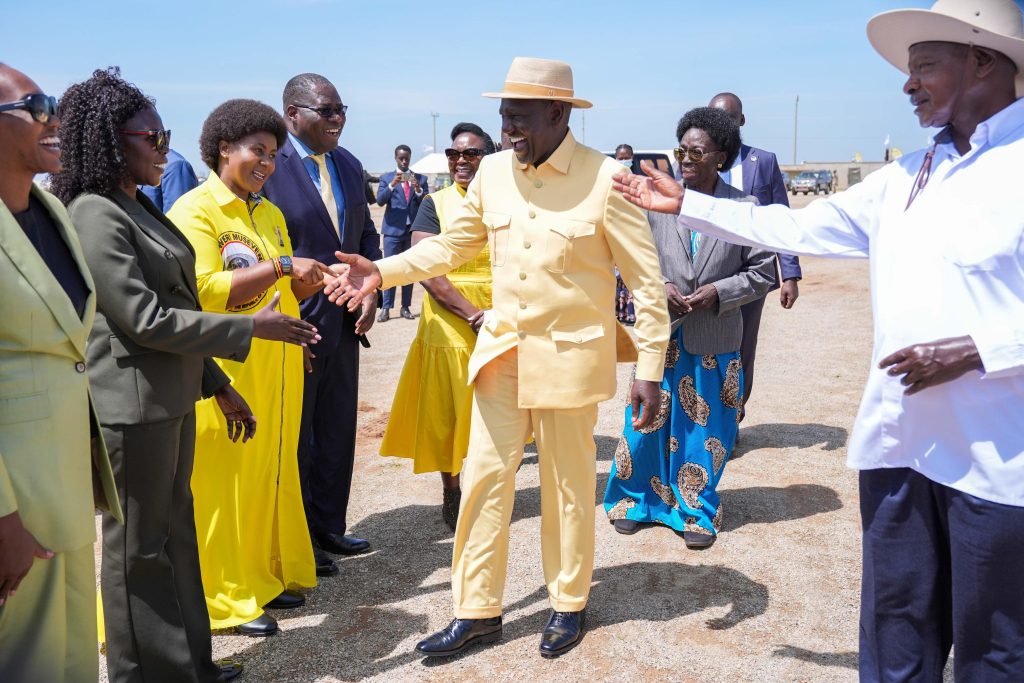
President Ruto paid tribute to President Museveni for his long-standing commitment to industrial development and commended the cooperation that brought the Tororo investment to fruition. He emphasised that the steel plant will generate employment for the youth, support regional supply chains, and anchor East Africa’s self-sufficiency.
“We convene here not just to commission a factory, but to usher in a new, audacious chapter in Africa’s industrialisation ambitions,” he said.
President Ruto noted that the Tororo plant will grow to 20,000 employees across East Africa by 2027 and highlighted Africa’s rising steel demand, projected to increase from 39.5 million tonnes in 2024 to 52 million tonnes by 2034.
The Ugandan Minister of Energy and Mineral Development, Ruth Nankabirwa, described the steel plant as a major step towards achieving the government’s mineral value-addition strategy aimed at minimising resource leakages.
Minister Nankabirwa said the government and Devki signed a Mineral Development Agreement on April 2, 2025, binding both parties to work closely to ensure the plant is successfully established.
Devki’s factories are strategically located in rural areas to provide employment opportunities to local communities. The group is known for philanthropic support to communities neighbouring its factories. In Kenya, for the last 20 years, the group has been helping needy children, including feeding 18,000 school children with nutritious lunch meals every school day.

***