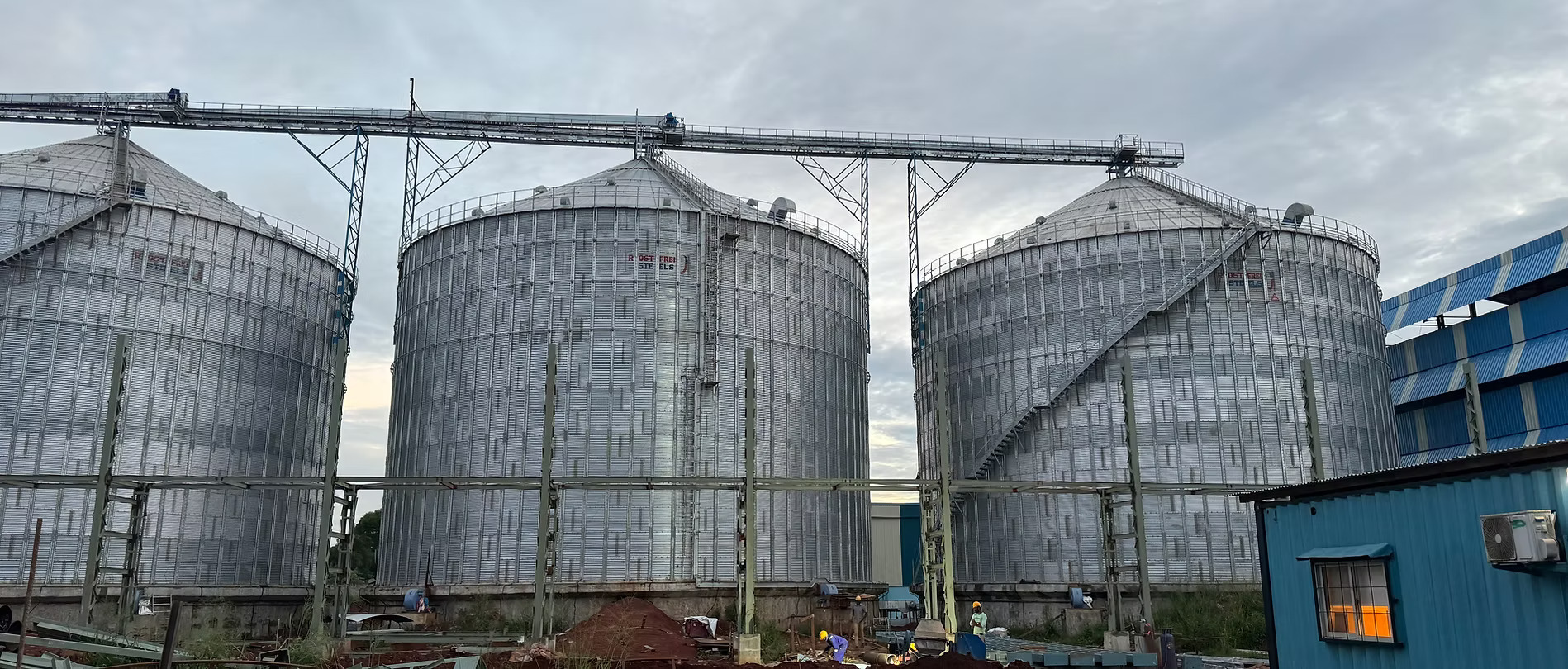
Uganda’s quest for pharmaceutical self-reliance is set to take a decisive step this month when Dei Biopharma commissions a cassava starch manufacturing plant in Namasagali in the eastern district of Kamulu.
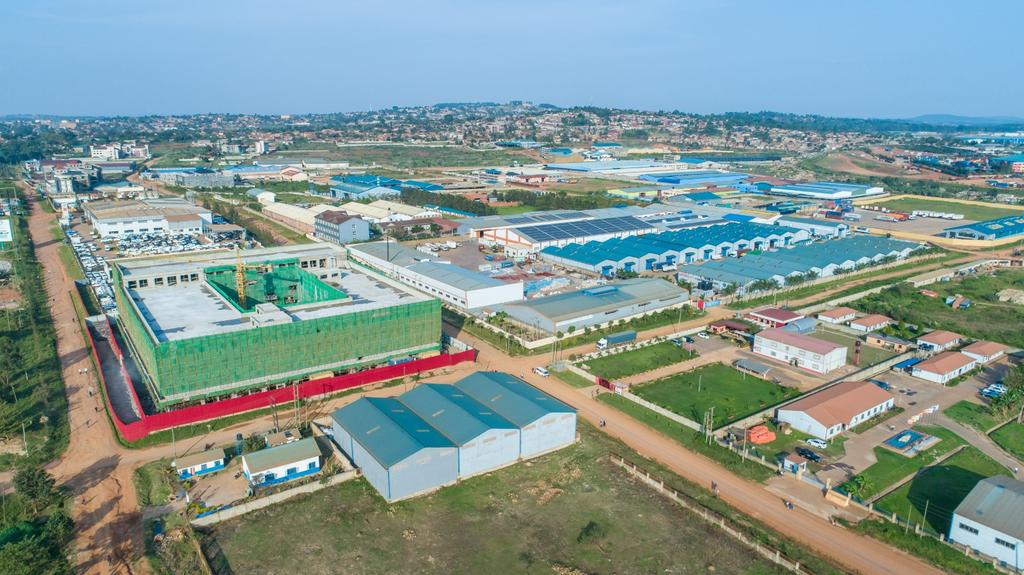
The 50-million-dollar investment marks the first phase of what the company describes as the “Dei Group Advanced Agro-processing Park” – an ambitious industrial zone designed to supply locally manufactured excipients and active pharmaceutical ingredients (APIs) to the firm’s manufacturing complex in Matugga near Kampala.
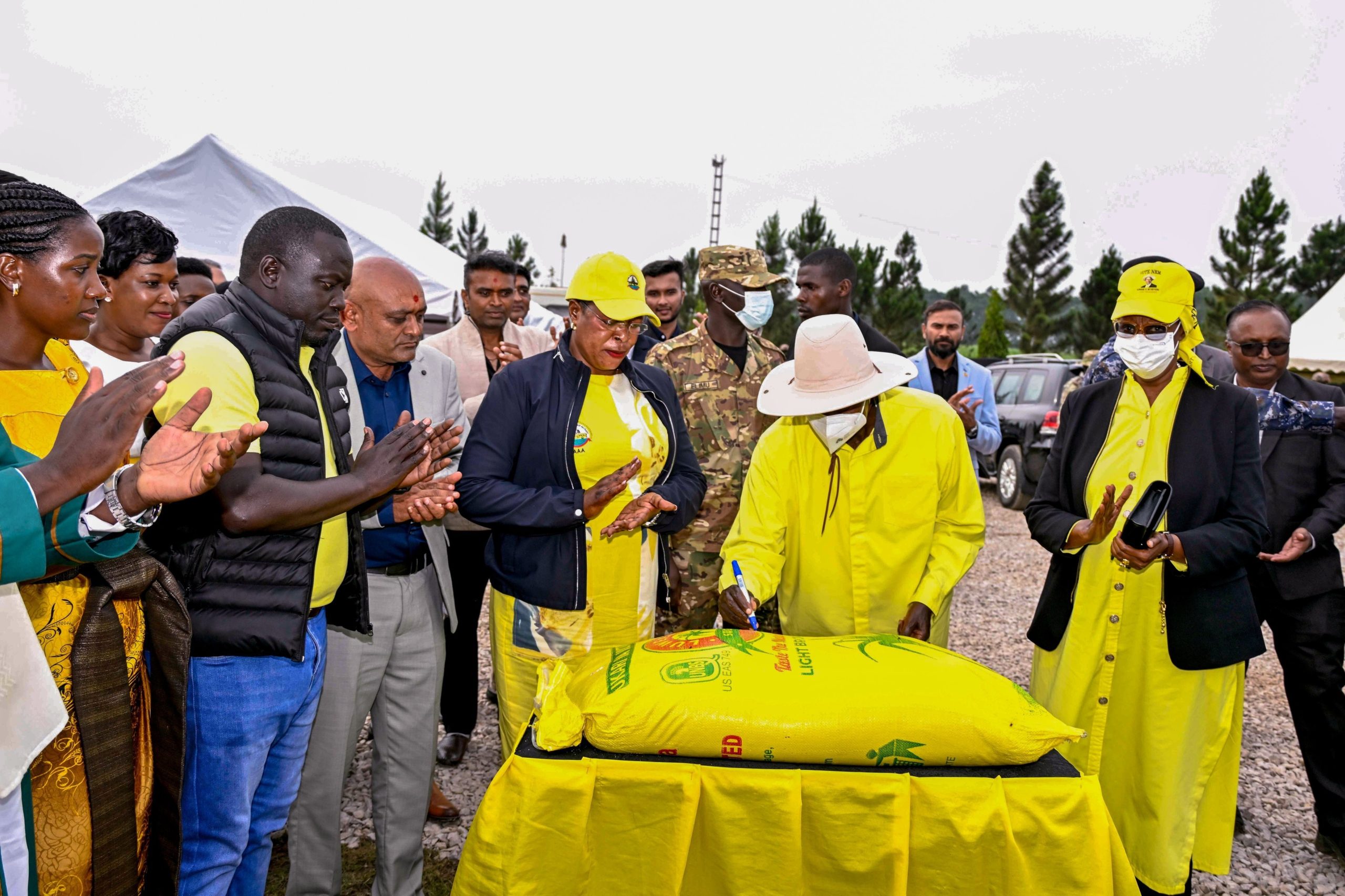
The facility, to be commissioned by President Yoweri Museveni on November 20, 2025, will serve both as a lifeline for farmers and a cornerstone for local production of pharmaceutical ingredients. On the same day, President Museveni will also commission Dei Group’s organic fertilizer plant at Nansololo, also in Kamuli, also a project in the park.
The founder and managing director of Dei Biopharma, Dr. Matthias Magoola, says, “We are among the first companies in Africa to manufacture our own excipients and active pharmaceutical ingredients”, adding that “Our decision to invest in start production is strategic – to make Uganda competitive in drug manufacturing by reducing dependence on imported inputs”.
Targeted a gap
According to Dr. Magoola, Africa imports up to 85 percent of all essential medicines, mainly because the continent lacks facilities capable of producing base pharmaceutical ingredients.
“Almost 99 percent of the starch and other excipients used in tablet and capsule production are imported. That makes local manufacturing expensive and uncompetitive. By producing our won starch, glucose, and malt sugars here, we close a critical cost gap”, said Dr. Magoola.
Namasagali was chosen for both its geography and logistics. Located along the banks of River Nile and close to Lake Kyoga, the site connects easily to major cassava-growing regions in northern Uganda, eastern Uganda, and even the Democratic Republic of Congo.
Higher earnings for cassava farmers
For Uganda’s cassava farmers, particularly those in the regions of Busoga, Bukedi, Lango, and Teso, the cassava starch plant presents a new and reliable market.
The plant will require about 500 metric tonnes of cassava daily, the equivalent of produce from 50 acres daily, providing significant alternative to sugarcane farming, which has dominated the area for decades.
Dei Biopharma has already registered over 3,000 farmers and distributed planting materials for Nilocus-1, a high-yield cassava variety developed by Ugandan crop scientists.
Says Dr Magoola: “Our goal is to ensure consistent raw material supply while improving farmer incomes. A farmer growing cassava will earn roughly triple what a sugarcane farmer earns on the same piece of land, because cassava has a shorter growing cycle and higher returns per kilogram. They also sell stems for planting, so it is a win-win”.
The company is working with agricultural extension officers to tarin farmers in modern cassava cultivation and post-harvest handling.
From starch to high-value industrial products
While starch is the plant’s flagship product, its applications stretch far beyond pharmaceuticals.
Dei Biopharma is now producing glucose, maltose (malt sugar) and two grades of fructose – all key ingredients in beverage, food, and drug manufacturing. They will also extract sorbitol, marnitol, and dextrose.
Dr. Magoola says they are starting with five products, but will eventually extract over 100 derivatives from cassva, maize, and potatoes.
The company’s facility includes technology to modify starch for specialized uses and to produce Vitamin C and other sugar derivatives critical in pharmaceutical production.
Exports being planned
Once the United States Food and Drug Authority approves, Dei Biopharma will start exporting starch and other intermediaries to markets across Africa and the global South.
Says Dr. Magoola: “When our starch secures FDA certification, Uganda will not only meet local demand but also export pharmaceutical-grade starch to other countries”.
Integrating food security and industrial growth
According to Dr. Magoola, cassava offers dual benefits – both food and income. He says when you grow cassava or maize, you can sell to the factory and still keep some for your own household, adding that it is an approach that addresses food and income security simultaneously.
Pharmaceutical industrial zone in sight
The starch factory is only one part of Dei Biopharma’s broader agro-industrial blueprint.
On the 5,000-acre estate, the company is developing a fully-integrated hub that will include a fertilizer plant producing organic inputs from animal waste and a biotechnology complex for veterinary vaccines.
“We are constructing a Foot and Mouth Disease (FMD) vaccine facility with capacity to produce 100 million doses annually, and it is already 50 percent complete.
“We will also produce vaccines for poultry and swine fever using formulations we have developed locally”, says Dr. Magoola.
By developing an end-to-end manufacturing chain – from farm to finished pharmaceutical product – Dei Biopharma aims to position Uganda as a regional centre for biopharmaceutical innovation and agro-industrial exports.
Dr. Magoola describes it as an “advanced park” because, unlike most agro-processing facilities in Africa, it focusses on extracting high-value compoents such as modified startch and API precursors.
A catalyst for industrial independence
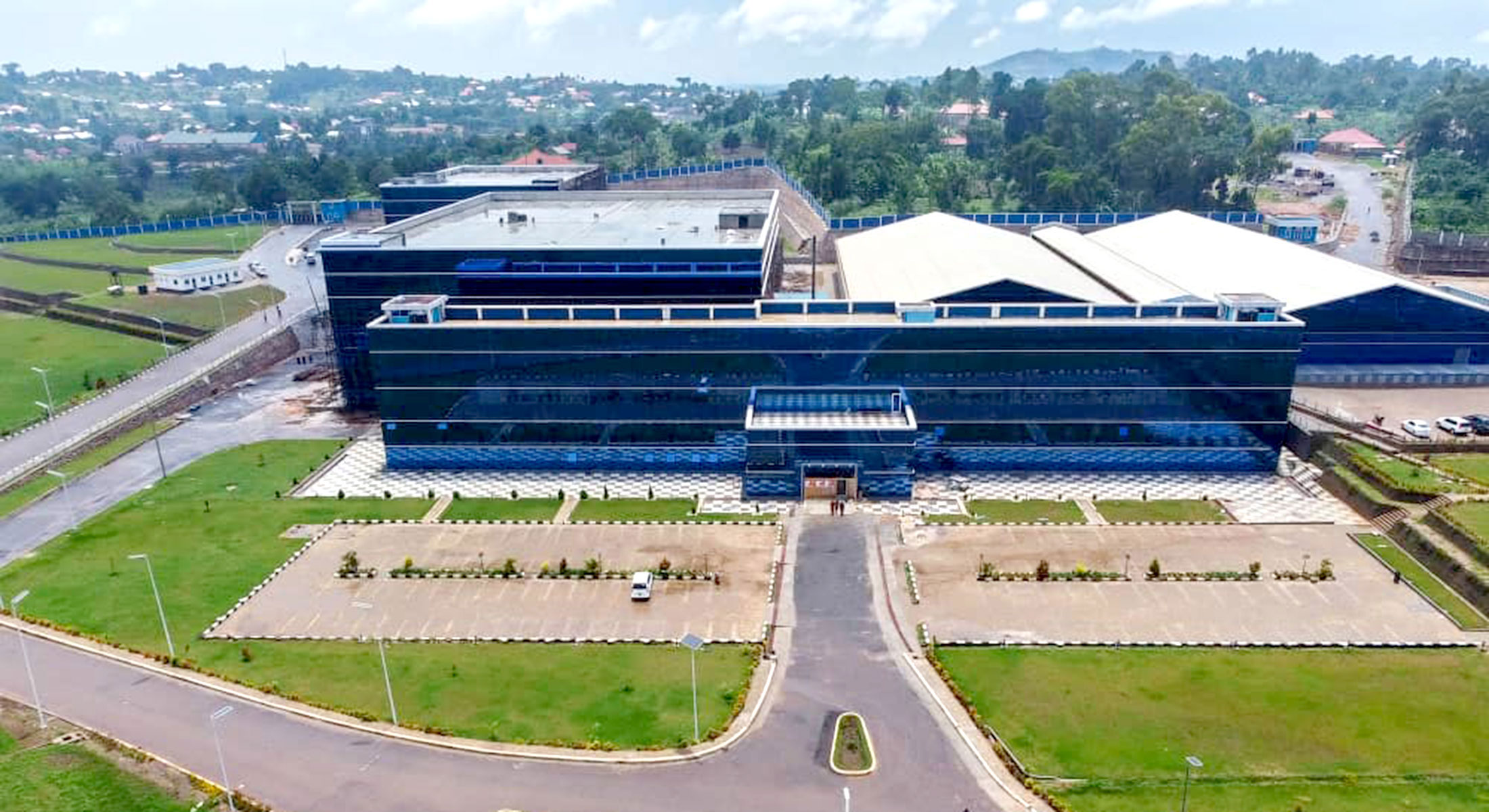
Dei Biopharma’s Matugga facility, partly operational, has 30 production plants designed to manufacture a range of essential medicines – from intravenous fluids to oncology drugs and drugs for other rare diseases.
The addition of the Namasagali starch plant completes a key part of the supply chain – ensuring raw materials are locally sourced, costs are reduced, and production becomes globally competitive.
According to Dr. Magoola, the ultimate goal is to make quality medicines affordable to every Ugandan and every African.
“By controlling our inputs and manufacturing locally, we save foreign exchange, build industrial capacity, and create thousands of decent jobs”, he says.
Commissioning of the starch plant signals a shift from dependency to production; from importing what Africa needs to building what Africa can export.
For the country’s farmers, scientists, and industrialists, the launch of the Namasagali starch plant marks the beginning of a new kind of value chain, where agriculture and science converge to power national growth.
***