
Edible Oils
Uganda combines a rapidly growing market of nearly 40 million people with access to the EAC market of 175 million people. With the lowest cost and fastest growing labour force in the region, suitable land availability, and an investor-friendly environment, Uganda is a good location for edible oils.
Why Uganda ?
Uganda has a large domestic market with demand for edible oils expanding rapidly (Uganda’s imports of edible oils increased more than five-fold to over $ 30 million in 2017).
Member of EAC, which had recorded ever imports of edible oils in 2017, with 50% growth reaching nearly $1 billion.
Uganda has a strong track in the production of agricultural products and is the most open trading country in the region.
35% of Uganda’s land is arable and suitable for growing edible oil seeds. such as sesame, soya bean, and sunflower.
Opportunities in premium oils include ;-
Production of Premium Virgin oils for export is realisable in Uganda in the medium to longer term. The premium oils segment has higher margins and less aggressive. Some players like Mukwano are already exporting premium/pure sunflower oils from Uganda to Switzerland and Belgium and demand in these and Asian markets is expected to continue growing steadily as awareness and incomes
There are also opportunities for investment in the up-stream value chain in Uganda to expand raw material supplies (e.g. avocado production), for which there is strong demand.
Opportunities
Case Studies
Insights from some of the Investor journeys to achievement.
Bidco Uganda Limited (BUL)
BUL has significantly expanded its operations in Uganda, with a total investment of US$160 million in refining capacity as initially reported. By 2024, this investment had increased to US$200 million, supporting the National Oil Palm Project (NOPP), which includes a 40,000-hectare plantation in Kalangala. This plantation now produces 140,000 tonnes of palm kernel oil annually, making BUL the largest palm oil producer in Uganda.
The company collaborates with over 12,000 registered farmers as of 2024, up from 2,000 in earlier reports, contributing to an annual production value of US$3.1 million.
BUL’s operations have bolstered Uganda’s edible oil production, reducing import dependency by 15% since 2019. The company employs over 3,000 workers directly and indirectly, enhancing local livelihoods in Kalangala and Buvuma districts
[Source: Uganda Investment Authority, 2024].
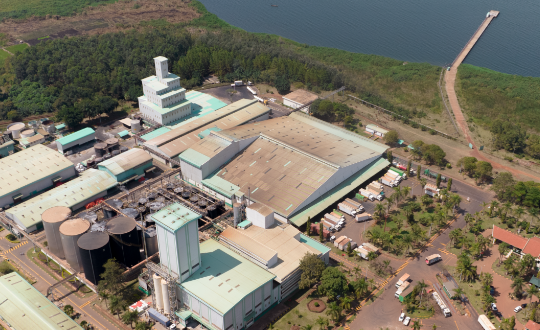

Mukwano Industries
Mukwano works with over 100,000 farmers, primarily in northern and eastern Uganda, maintaining its position as a major buyer of sunflower and soya bean crops.
The company’s installed milling capacity remains at 400 metric tons per day, processing 1.6 million metric tons of oilseeds in 2023. Mukwano has expanded its product portfolio, introducing fortified edible oils to address nutritional deficiencies, with production reaching 50,000 metric tons in 2024. The company’s soap and detergent lines have also grown, with an annual output of 30,000 metric tons, capturing 25% of the domestic market.
Mukwano supports rural economies by providing a stable market for oilseed farmers, contributing to an estimated US$50 million in farmer incomes annually. Its out grower programs have improved agricultural practices, increasing sunflower yields by 12% since 2019. The company employs 2,500 workers directly and supports 10,000 indirect jobs through its value chain, including packaging and logistics, enhancing agro-industrial employment in Uganda. [Source: Uganda Investment Authority, 2024].
Dive Deeper & Explore investment opportunities
Discover a curated portfolio of high-impact, investment-ready opportunities across agriculture, manufacturing, tourism, energy, ICT, and infrastructure.